Table of Contents
ToggleFruits and Vegetables Dogs Can Eat: A Vet-Approved Guide
Introducing fruits and vegetables into your dog’s diet can enhance their nutrition, offering a myriad of health benefits. This comprehensive guide explores which fruits and vegetables dogs can eat safely, offering tips on feeding, portion control, and potential hazards to avoid.
Introduction to Dog-Friendly Fruits and Vegetables
Many dog owners are curious about expanding their pet’s diet beyond standard dog food. Fruits and vegetables are great supplements, but it’s important to know which ones are safe. Introducing vet-approved fruits and vegetables into your dog’s diet can support their overall health while providing essential nutrients. This guide will help you navigate these options confidently.
Vet-Approved Fruits for Dogs
Dogs can enjoy a variety of fruits, but not all are safe. Here are some vet-approved options:
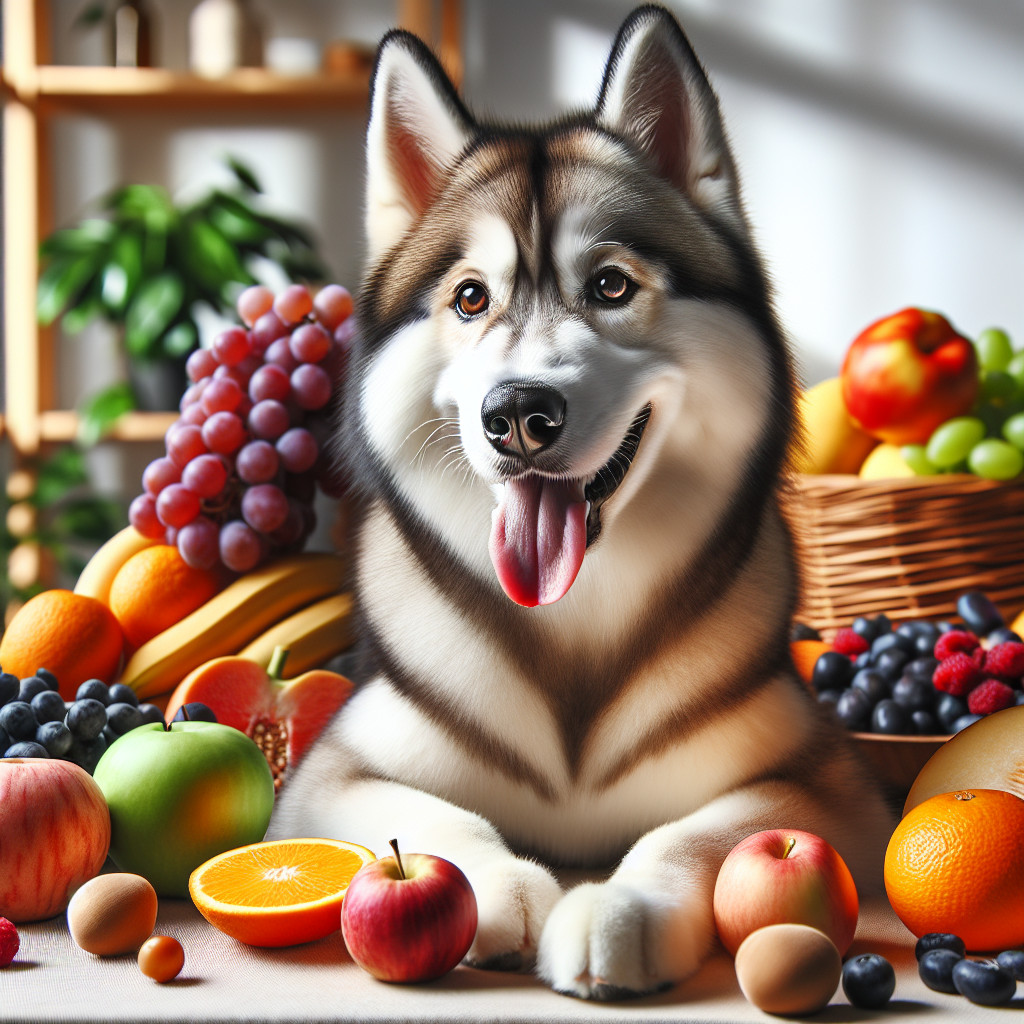
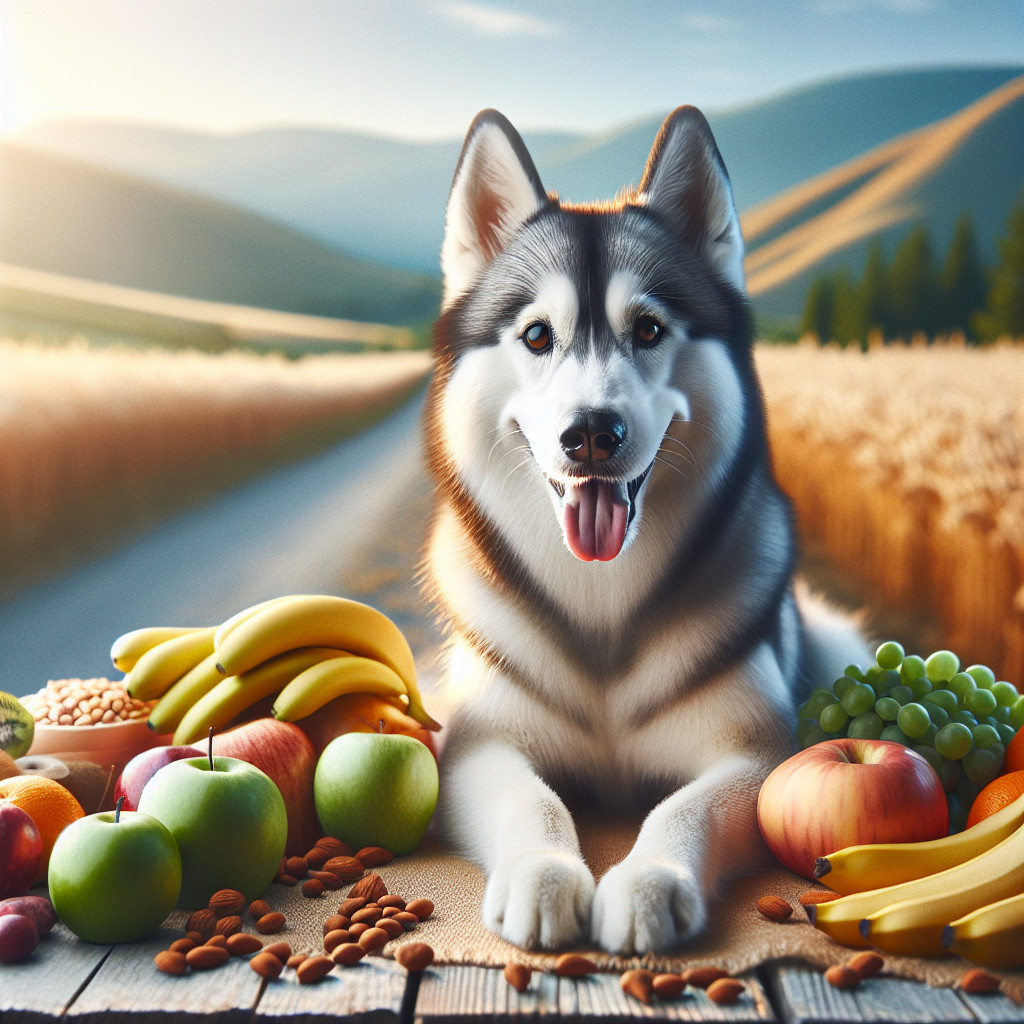
- Apples (without seeds): Packed with vitamins A and C, apples are a healthy snack. Just make sure to remove the seeds, which can be toxic.
- Blueberries: These little fruits are full of antioxidants and fiber, making them a delicious treat.
- Bananas: Easy to digest and full of potassium, bananas are a sweet and healthy option.
Nutritional Benefits of Fruits for Dogs
Fruits like apples and blueberries provide crucial vitamins and antioxidants that can boost immunity and support general well-being. They also offer a tasty change from regular treats and can be blended into meals for added variety.
Vet-Approved Vegetables for Dogs
While dogs are primarily carnivores, vegetables can still play a vital role in their diet. Vet-approved vegetables include:
- Carrots: Known for their crunchiness, carrots help maintain dental health while providing vitamins.
- Sweet Potatoes: These are rich in dietary fiber and vitamins, offering a satisfying and nutritious snack.
- Spinach: This leafy green offers iron, but should only be given in small amounts due to its high oxalate content.
Nutritional Benefits of Vegetables for Dogs
Vegetables offer dietary fiber, vitamins, and minerals that can aid digestion and improve your dog’s health. Carrots, in particular, are excellent for teeth, and potatoes provide energy and fiber.
Health Benefits of Fruits and Vegetables for Dogs
Including fruits and vegetables in your dog’s diet can:
- Enhance digestive health due to high fiber content.
- Provide essential vitamins and minerals.
- Offer antioxidants, supporting a robust immune system.
- Serve as low-calorie treats for weight management.
How to Safely Introduce New Fruits and Vegetables to Your Dog
Preparation Tips for Fruits and Vegetables
Before serving any fruit or vegetable, ensure they are cleaned and peeled where necessary to remove pesticides. Always cut them into small, manageable pieces to prevent choking. Remember to remove seeds, pits, or cores, which can be toxic.
Signs of Allergies or Adverse Reactions in Dogs
Watch for common signs like itching, swelling, digestive upset, or lethargy. If your dog shows any adverse reaction, cease the food immediately and consult your vet.
Portion Control and Frequency
Moderation is crucial when feeding your dog fruits and vegetables. Overfeeding can lead to weight gain or diarrhea. Fruits should be treated as occasional treats or meal enhancements rather than staples.
Fruits and Vegetables Dogs Should Avoid
Certain fruits and vegetables are harmful to dogs, including:
- Grapes and Raisins: Highly toxic, these can lead to kidney failure.
- Onions and Garlic: Can damage red blood cells, leading to anemia.
- Avocado: Contains persin, which can be harmful in large amounts.
Common Mistakes When Feeding Dogs Fruits and Vegetables
Avoid giving your dog too much fruit, which might lead to weight gain or digestive issues. It’s also essential to research each new food item before feeding to detect any potential risks.
FAQ Section
- What fruits are good for dogs? Apples (without seeds), blueberries, and bananas are delicious and vet-approved.
- Can dogs eat vegetables? Yes, dogs can safely eat carrots, sweet potatoes, and spinach among other vet-approved options.
- Which fruits and vegetables are toxic to dogs? Grapes, raisins, onions, and garlic should be avoided as they can be toxic to dogs.
Conclusion
Introducing fruits and vegetables into your dog’s diet requires careful selection and moderation. By choosing vet-approved options and monitoring your dog’s reactions, you can offer nutritious and tasty supplements to their meals. For more on how to support your dog’s nutrition, explore our dog nutrition guide or visit our page on how to feed dogs safely. Always remember the importance of consulting your veterinarian with dietary changes, ensuring your furry friend’s health is in good hands.
“`